Congratulations, Mom-to-be! If you’re reading this, chances are you’ve recently discovered that there’s a little bun in your oven. Your body is about to embark on a magical, miraculous journey that will leave you in awe. But, it might also leave you with a slew of questions. Fear not, darling! Here at Avacher, we’ve got you covered.
The first trimester of pregnancy is a whirlwind of changes both for you and the tiny life developing inside you. From the moment of conception to the end of the 12th week, your baby will grow from a cluster of cells to a fully formed fetus, about the size of a peach!
During this time, you might experience a series of physical changes. These can range from the renowned (and occasionally dreaded) morning sickness to increased fatigue. Your breasts may become tender, and you might find yourself running to the bathroom more often than usual. These are all normal signs of your body preparing to nurture your growing baby.
Meanwhile, your baby is on a development fast track. By the 6th week, a tiny heartbeat can usually be detected. By the end of the first trimester, your baby will have formed vital organs, including the brain, heart, and lungs, and tiny arms and legs will begin to take shape.
While this journey can be filled with discomfort and uncertainties, remember that it’s all part of the incredible process of creating a new life. Be patient with yourself, listen to your body, and don’t hesitate to seek support when needed. After all, every superhero needs a sidekick, and we’re here to be yours on this journey.
Remember, this is just the beginning. Each trimester brings its own unique experiences and challenges. So, buckle up, and get ready for the ride of your life!
Step aside, superheroes — there’s a new kind of triumph in town! Navigating the twists and turns of toddlerhood is no small feat, and every victory, whether big or small, deserves its own celebration.
Welcome to the world of toddlerhood, a wild ride filled with laughter, tears, and monumental triumphs. Let’s celebrate the victories that come with the “terrible twos” — they’re not so terrible, after all!
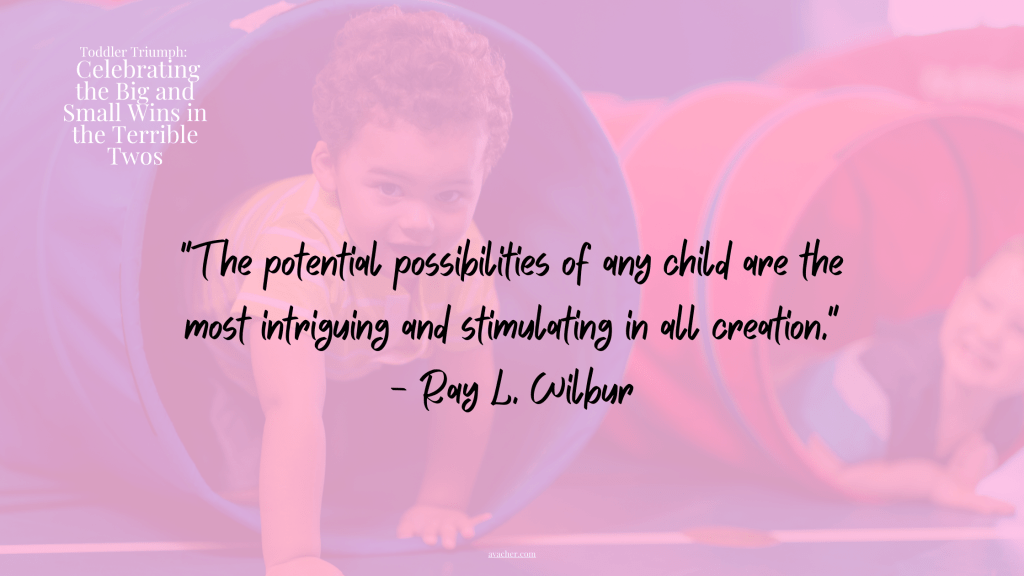
Here’s my daughter Ava at 2 years old. Ready to start her curiosity and understanding herself day by day.
As your child transitions from babyhood to toddlerhood, they undergo significant cognitive, emotional, and physical changes. Understanding these changes can help you appreciate their triumphs even more.
Celebrating the Big Wins
Language Explosion
When your toddler starts stringing words together into sentences, it’s a huge triumph! Celebrate this language explosion, and foster it by engaging in conversation with your child.
Potty Training Success
Ah, the joy of ditching diapers! This is a significant milestone for both you and your toddler.
Increased Independence
When your toddler starts doing things on their own, whether it’s feeding themselves or putting on their shoes, it’s a sign of growing independence.
Embracing the Small Victories
First Scribbles
What might seem like just a doodle is a major developmental win? It’s the first step toward writing!
Sharing Toys
This simple act signifies the start of understanding empathy and social interaction.
Cleaning Up
Yes, picking up toys, and helping with chores are small but mighty victories!
Every victory, big or small, in your toddler’s life, is a cause for celebration. They might be called the “terrible twos”, but this phase is filled with incredible growth and development. So, bring out the confetti and celebrate your toddler’s triumphs!
References and Further Reading:
American Academy of Pediatrics. (2021). Toddler Development. HealthyChildren.org.
Zero to Three. (2020). Toddlers and Challenging Behavior. ZeroToThree.org.
Welcome to the fast-paced, ever-changing world of your baby’s first year! From first smiles to first steps, this is the year of the “firsts” — and boy, is it a wild ride!
Congratulations on your new bundle of joy! Your baby’s first year will be filled with precious moments and important milestones. But let’s face it, being a new parent can be overwhelming. This guide will help you navigate the exciting journey ahead. Buckle up!
Understanding Baby’s Milestones
First Month
Your baby will start recognizing your voice and may even start to smile. Watch out for those reflexes, like rooting and sucking.
Three Months
Expect more interaction and smiles, along with cooing and babbling. Your baby will start gaining control over their movements.
Six Months
This is a big one! Get ready for solid food introduction, rolling over, and more interactive play.
Nine Months
Crawling and standing (with support) may start happening. Your baby will also be better at recognizing familiar faces.
One Year
Expect your little ones to start taking their first steps. They will also start saying their first words. This is also the time for the one-year pediatrician check-up.
Feeding and Sleep Guide
In the first year, your baby will transition from sole breastfeeding or formula feeding to incorporating solid foods. Sleep patterns will also change drastically, with longer night-time sleep and fewer naps.
Dealing with Illness
Babies immune systems are developing, making them susceptible to common illnesses like colds and ear infections. Always consult with a pediatrician if you’re concerned about your baby’s health.
When to Consult a Professional
Always reach out to a healthcare provider if you have any concerns about your baby’s development or health. Remember, it’s better to ask than to worry!
The first year of your baby’s life is a thrilling journey filled with precious moments and important milestones. With this guide, you are better equipped to navigate this exciting phase. Remember, every baby is unique, and they grow at their own pace. Enjoy each and every moment!
References and Further Reading:
American Academy of Pediatrics. (2021). Baby’s First Year. HealthyChildren.org.
Zero to Three. (2020). Baby Brain Map. ZeroToThree.org.
Centers for Disease Control and Prevention. (2021). Important Milestones: Your Baby By One Year. CDC.gov.
Picture this: You’re expecting the newest member of your family, and while you’re thrilled about the arrival of your bundle of joy, you’re also wondering how you’re going to juggle work, recovery, and bonding time. Well, ladies and gents, the Philippines has got you covered! Say hello to the Expanded Maternity Leave Law, or shall we say, your new best friend.
The 105-Day Expanded Maternity Leave Law (Republic Act 11210 or EML) enacted on March 11, 2019, is a significant stride in Philippine legislation. It grants all eligible women, irrespective of their sector of employment or civil status, a comprehensive maternity leave policy. This guide provides an easy-to-understand overview of the EML, the process of availing it, and what one should do.
Key Features of the EML
The EML has numerous features that make it distinctive:
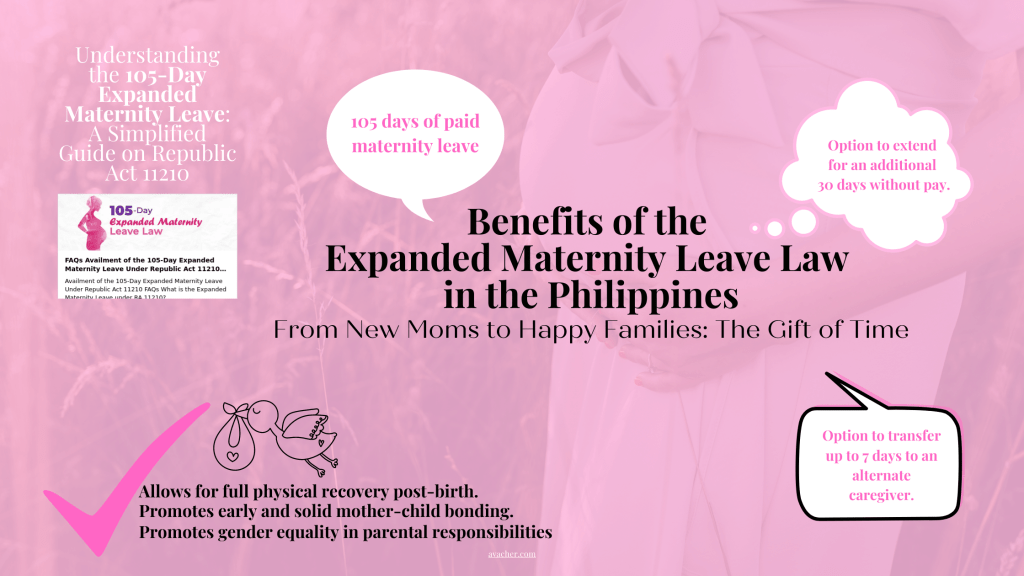
It extends the paid maternity leave period to 105 days in the case of live birth. Women can further extend this by 30 days without pay.
Solo parents under RA 8972 are entitled to an additional 15 days of paid maternity leave.
In cases of miscarriage or emergency termination of pregnancy, including stillbirth, the paid maternity leave is 60 days.
Every instance of pregnancy allows a woman to apply for maternity leave, regardless of frequency.
For multiple childbirths, such as twins, a woman will only receive one maternity benefit.
The maternity leave must be availed of in a continuous and uninterrupted manner, inclusive of Saturdays, Sundays, and Holidays.
A female employee can avail of maternity leave if childbirth, miscarriage, or emergency termination of pregnancy occurs not more than 15 calendar days after the termination of her employment.
Availment of EML in Different Sectors
Private Sector, Informal Economy, and Voluntary Contributors to SSS
Eligibility: A female member must have paid at least three monthly SSS contributions in the 12-month period preceding the semester of the birth, miscarriage, or emergency termination of pregnancy.
Notice Requirement: The employee should notify her employer of the pregnancy and the expected date of delivery. Self-employed, voluntary, and overseas Filipino workers (OFWs) who are members of the SSS may give notice directly to the SSS.
Manner of payment and taxability: Full payment of maternity leave benefits to qualified female workers shall be advanced by the employer. The SSS shall directly pay the maternity benefits of female members who are self-employed, including those in the informal economy, OFWs, and voluntary contributors.
Public Sector Workers
Eligibility: Any pregnant female worker in the government service may avail of the maternity leave benefits under RA 11210.
Notice and other requirements: The pregnant worker should notify the head of the agency of her pregnancy and the date of her maternity leave at least 30 days in advance.
Manner of payment and taxability: A female public sector worker is entitled to full pay from her agency during her maternity leave.
Allocation of Maternity Leave Credits
A mother may allocate up to seven days of her paid maternity leave to the child’s father or an alternate caregiver. This is not applicable in cases of miscarriage or emergency termination of pregnancy, including stillbirth.
Maternity Leave Credits
The maternity leave credits can be credited as a combination of prenatal and postnatal leave as long as it does not exceed 105 days, with the compulsory postnatal leave being not less than 60 days.
Special Provisions
In case of the female worker’s death or permanent incapacity, the balance of her maternity leave benefits, if any, shall accrue to the child’s father or the qualified alternate caregiver.
If a woman returns to work prior to the exhaustion of her maternity leave, she will not be paid for services rendered.
Female national athletes on the roster of the National Sports Association who becomes pregnant will receive special benefits.
Availment and Eligibility
To qualify for the maternity leave benefits, a female member must have paid at least three monthly SSS contributions in the 12-month period immediately preceding the semester of the birth, miscarriage, or emergency termination of pregnancy. This includes workers in the private sector, workers in the informal economy, and voluntary contributors to the SSS.
The employee is required to notify her employer of her pregnancy and the expected date of delivery. The employer then has the responsibility to transmit this information to the SSS. If an employee fails to notify her employer, she will still receive maternity benefits, subject to SSS guidelines. For self-employed, voluntary, and overseas Filipino workers (OFWs) who are members of the SSS, they can provide notification directly to the SSS.
Extended Maternity Leave
In case of live birth, a female worker in the private sector can opt to avail an additional 30 days of maternity leave without pay. This requires a written notice to the employer at least 45 days before the end of her paid maternity leave. If there is a medical emergency, prior notice may not be necessary, but the employer must be notified subsequently.
Manner of Payment and Taxability
The maternity leave benefits should be paid in full by the employer, who will then be reimbursed by the SSS for the applicable SSS maternity benefits. Any difference between the worker’s actual salary and the applicable SSS maternity benefits will be covered by the employer. The salary differential provided by the employer under RA 11210 is exempt from income and withholding taxes.
For self-employed members, including those in the informal economy, OFWs, and voluntary contributors, the SSS will directly pay the maternity benefits.
For Public Sector Workers
For public sector workers, regardless of employment status and length of service, maternity leave benefits under RA 11210 can be availed. The pregnant worker should notify the head of her agency about her pregnancy and the date of her maternity leave at least 30 days in advance.
In the case of live birth, female public sector workers can also avail of the additional 30 days of maternity leave without pay or use their earned sick leave credits for extended leave with pay. The payment can be made through a lump-sum payment or regular salary payment through the agency payroll. Maternity leave in the public sector is considered paid leave of absence and is subject to tax.
Maternity Leave Credits
The maternity leave credits can be used as a combination of prenatal and postnatal leave, provided it does not exceed 105 days and the compulsory postnatal leave is not less than 60 days.
Allocation of Maternity Leave Credits
In case of live birth, a female worker can allocate or transfer up to seven days of her paid maternity leave to the child’s father or an alternate caregiver. This option is not available in cases of miscarriage or emergency termination of pregnancy, including stillbirth. Written notice to both the mother and the father or alternate caregiver’s employers should be submitted to avail of the benefits.
Other Maternity Benefits
Aside from SSS and employer-provided benefits, other maternity benefits mandated by the EML are governed by the Philippine Health Insurance Corporation (PhilHealth) Circular No. 022-2014 or the “Social Health Insurance Coverage and Benefits for Women About to Give Birth”.
PhilHealth members can avail of benefits like the Maternity Care Package (MCP) if they have paid at least nine months of premium contributions within the twelve months prior to the first day of confinement.
Penalties for Violation
Employers or agencies that violate RA 11210 will be subject to fines ranging from P20,000.00 to P200,000.00 or imprisonment for at least six years and one day or up to twelve years, or both, at the discretion of the court. In addition, the responsible officials, directors, or partners who participated in or allowed the commission of the offense will be liable.
Prohibition Against Discrimination
The Expanded Maternity Leave Law provides that the use of maternity leave benefits should not be used as a basis for demotion or termination. Female employees have the right to return to the same or equivalent position, pay, and benefits after their maternity leave. Failure by an employer to comply with this provision will be liable for discrimination and penalized with a fine of not less than P20,000.00 but not more than P200,000.00, or imprisonment for not less than six years and one day but not more than twelve years, or both, at the discretion of the court.
The Expanded Maternity Leave Law is a significant development in providing more substantial benefits and protection to women in the workforce. This law not only supports the physical recovery and bonding of the mother and child but also promotes gender equality by encouraging shared parental leave responsibilities. It is crucial for women, as well as their employers, to understand these rights and benefits to ensure they are correctly applied.
As always, if there are any changes in the law, it is important to consult with a legal professional or the appropriate government agency to obtain the most accurate and up-to-date information. This summary provides a general overview of the law as of the date of writing, and specifics may vary depending on individual circumstances.
Strap in for a thrilling nine-month ride! Pregnancy is the ultimate journey of transformation and growth, filled with excitement, anticipation, and a dash of the unknown. But don’t worry, we’ve got you covered with our comprehensive guide. Let’s embark on this adventure together!”
First Trimester – The Dawn of Motherhood
The first trimester of pregnancy is an exciting time filled with significant changes, not just for your body, but for your baby as well.
Your Body’s Changes: During these initial weeks, your body is hard at work as it prepares to nurture a new life. You may experience some common early pregnancy symptoms, such as fatigue, nausea (often referred to as ‘morning sickness’), breast tenderness, and frequent urination.
While these symptoms can be challenging, they are usually a good sign that your body is changing to accommodate your growing baby. Increased levels of hormones like human chorionic gonadotropin (hCG) and progesterone are to thank for many of these early symptoms.
Your Baby’s Development: In this trimester, your baby will transform from a fertilized egg into a fully formed, albeit tiny, human! By the end of the first 12 weeks, your baby will have developed most of their organs and body parts.
Second Trimester – The Graceful Glide
Welcome to the ‘honeymoon phase’ of pregnancy! During the second trimester, many women find their energy levels rebounding and morning sickness subsiding.
Your Body’s Changes: You’ll likely start to develop a noticeable baby bump as your uterus expands to accommodate your growing baby. As your body changes, you may experience physical discomforts like back pain, leg cramps, and heartburn.
It’s not all discomfort, though. This is the trimester where you’ll likely feel your baby move for the first time, a fluttering sensation known as ‘quickening.’
Your Baby’s Development: During the second trimester, your baby is busy growing and becoming more active. By week 20, your baby will have developed unique fingerprints. They can yawn, stretch, and make facial expressions, even frown!
Third Trimester – The Final Countdown
The final stretch of your pregnancy journey is both exciting and demanding. As your baby’s birth approaches, it’s normal to have a mixed bag of emotions.
Your Body’s Changes: As your baby grows, you might experience more physical discomfort. Common third-trimester symptoms include shortness of breath, insomnia, and frequent urination. Your body is now preparing for labor, and you may start to experience Braxton Hicks contractions, also known as ‘practice contractions.’
Your Baby’s Development: In the third trimester, your baby is essentially preparing for life outside the womb. They’ll continue to gain weight, their brain will grow rapidly, and they will start to open and close their eyes.
Pregnancy is a unique journey that each mother experiences differently. While it can be challenging, the reward at the end of the journey is indescribable. Take care of yourself, stay informed, and enjoy this beautiful time. Remember, you’re not just ‘expecting’ – you’re already a mother.”
Pregnancy can be a whirlwind of emotions and changes. Remember, every mother’s experience is unique and it’s okay to have questions or concerns. Trust your body, stay informed, and seek support when you need it. You’re embarking on an incredible journey and we’re here to guide you every step of the way.
References & Further Reading:To ensure the information provided is accurate and reliable, consider referencing reputable sources such as the Philippine Commission on Women, the American Pregnancy Association, the Mayo Clinic, or The American College of Obstetricians and Gynecologists. These organizations provide comprehensive, research-backed information on all aspects of pregnancy. Additionally, personal anecdotes and experiences from mothers can be a valuable resource for expectant mothers.
Babies are notorious for not adhering to a strict schedule, especially when it comes to making their grand entrance. Thus, having your hospital bag ready is your secret weapon against the unpredictability of childbirth. Whether your little one decides to make an early appearance or takes their sweet time, you can rest assured that you’re ready for the big day!
First off, congratulations! If you’re reading this, it means that you’re expecting a new addition to your family, and that’s an incredibly exciting time. Amidst the anticipation and the emotional rollercoaster that is pregnancy, one of the most practical steps you can take is preparing your hospital bag.
The Hospital Bag: What’s the Big Deal?
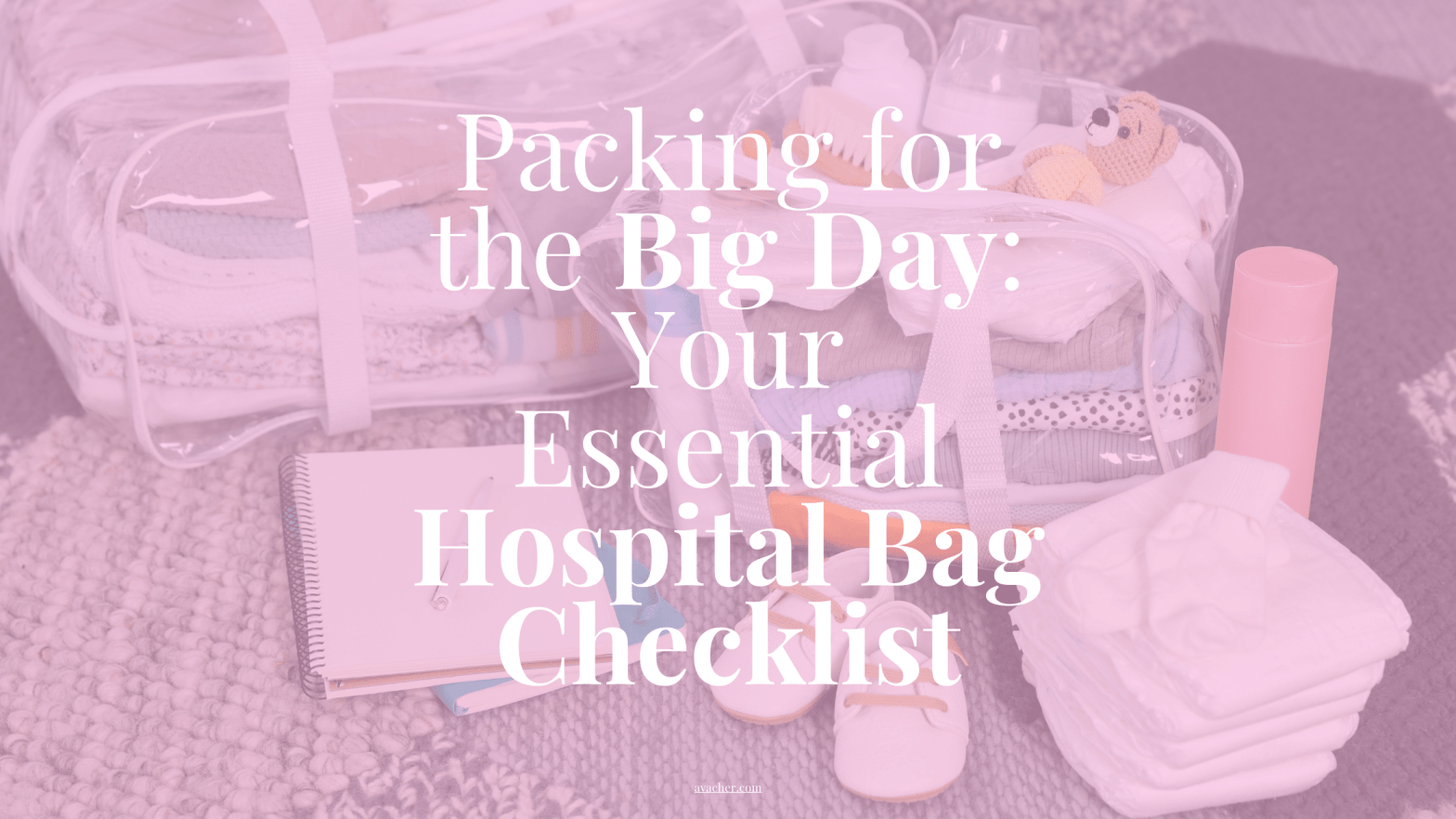
Packing a hospital bag ensures you have everything you need for labor, birth, and your postpartum stay. Think of it as your personal survival kit. Having a prepared bag can reduce anxiety and make you feel more in control, knowing you’re ready for the big day.
Essentials for Mom
Documents
Pack all necessary identification and insurance paperwork. Include your birth plan and any hospital registration forms you’ve been given.
Clothing
Pack a couple of comfortable outfits for after the birth. You’ll also need a nursing-friendly nightgown or top, a robe, non-slip socks or slippers, and a going-home outfit.
Toiletries
Don’t forget items like a toothbrush, toothpaste, deodorant, face wipes, and lip balm. Mini or travel-sized items are perfect for saving space.
Snacks
Labor can be long and draining. Pack some of your favorite snacks to keep your energy levels up.
Entertainment
Bring a book, or a magazine, or load a few movies or TV shows onto your tablet. These can be especially useful if your labor is long or if you need some downtime post-delivery.
Essentials for Baby
Clothing
Pack a few onesies in varying sizes, as it’s hard to predict exactly how big (or small) your baby will be.
Diapers
The hospital will likely provide some, but it’s always safe to bring a few of your own.
Swaddles
Many hospitals provide these, but you might prefer your own. They are essential for keeping your newborn warm and snug.
Car Seat
While not technically in the bag, ensure you have a properly installed car seat for the trip home. It’s law in many places, and it’s the safest way for your newborn to travel.
Essentials for Partner
Snacks
Supporting someone through labor can be tiring work. Snacks can help maintain energy levels throughout the process.
Change of Clothes
A clean shirt and comfortable pants can make all the difference when spending a night or two in the hospital.
Entertainment
Books, a tablet, or a laptop can be a useful distraction during the waiting periods.
When to Pack Your Hospital Bag
Start getting your hospital bag ready by around the 36th week of pregnancy. Babies often have their own timelines and it’s best to be prepared for an early arrival.
While it may seem like a daunting task, packing your hospital bag doesn’t have to be. By breaking it down and starting early, you’ll have everything you need for the big day. Remember, this is an exciting time and the more prepared you are, the more you can focus on the joy of welcoming your little one into the world.
“Happy Mother’s Day, Supermoms! Today we’re not just celebrating motherhood; we’re honoring the phenomenal journey that brought us here. From the first heartbeat to the teenage triumphs, let’s take a stroll down memory lane”
Being a mom is like being a superhero. And like any superhero, our journey is filled with extraordinary moments, daring challenges, and powerful transformations. As we celebrate Mother’s Day today, let’s take a moment to appreciate the journey we’ve been on, using the pillars of Avacher as our roadmap.
Pregnancy & Birth: Our journey began here, with two lines on a pregnancy test and a rush of emotions. From the first flutter in our bellies to the intense moment of birth, we discovered strength we never knew we had.
Baby’s First Year: Sleepless nights, endless diaper changes, and that unforgettable first smile. This was a year of learning, growing, and falling in love over and over again with the tiny human we created.
Toddler Triumphs: Who knew a two-foot-tall human could have so much energy? Amidst the tantrums and the ‘no’ phase, we marveled at their developing personalities and their boundless curiosity.
Preschool Pioneers: We watched with bittersweet pride as they strutted into preschool, backpacks almost as big as them. We navigated the world of playdates, alphabet songs, and sticky craft projects, cherishing their blossoming independence.
Kid Chronicles: School projects, lost teeth, new friendships. As our children explored their world, we guided them, supported them, and perhaps even learned a thing or two from them.
Teen Talk: Ah, the teenage years. A whirlwind of emotions, growing pains, and heart-to-hearts. As we navigate this tricky territory, we’re reminded that even as our children grow, our role as their guide, their support, and their safe space remains as important as ever.
So here’s to you, Supermom. Here’s to the tears, the laughter, the sleepless nights, and the priceless moments. Here’s to the journey of motherhood, and here’s to celebrating each and every step of the way. Happy Mother’s Day!
“Hey there, mom-to-be! Is the looming prospect of childbirth giving you jitters? It’s a bit like standing in line for a rollercoaster ride, isn’t it? Well, buckle up, because we’re here to hold your hand and break down the realities of birth.
Spoiler alert: It’s not exactly like in the movies!”
Childbirth is a unique experience for every woman. It’s a beautiful, challenging, and transformative journey that will mark the beginning of a new chapter in your life. However, it’s also often shrouded in mystery, myths, and misconceptions. That’s why we’re here to demystify birth and arm you with the truths every expectant mom should know.
First off, it’s important to remember that birth is not a one-size-fits-all experience. Every woman, every pregnancy, and every baby is unique. The length of labor can vary greatly, as can the intensity of the pain. Some women might have a swift three-hour labor, while others could labor for 24 hours or more.
Pain management during labor is another topic surrounded by myths. Many believe that opting for pain relief, like an epidural, somehow lessens the childbirth experience. The truth is, there is no medal for suffering through pain. The best approach is the one that makes you feel comfortable and safe.
Birth plans are a wonderful tool, but they are not set in stone. It’s essential to approach labor with flexibility. Sometimes, things don’t go as planned, and that’s perfectly okay. Your main goal should always be a safe delivery for you and your baby.
Remember, childbirth might be one of the most challenging things you’ll ever do, but it’s also one of the most empowering. With the right knowledge, preparation, and support, you can navigate this journey with confidence.





















 Ava and Cher