Understanding Pregnancy: Guide for Expectant Mothers

Strap in for a thrilling nine-month ride! Pregnancy is the ultimate journey of transformation and growth, filled with excitement, anticipation, and a dash of the unknown. But don’t worry, we’ve got you covered with our comprehensive guide. Let’s embark on this adventure together!”

First Trimester – The Dawn of Motherhood

The first trimester of pregnancy is an exciting time filled with significant changes, not just for your body, but for your baby as well.

Your Body’s Changes: During these initial weeks, your body is hard at work as it prepares to nurture a new life. You may experience some common early pregnancy symptoms, such as fatigue, nausea (often referred to as ‘morning sickness’), breast tenderness, and frequent urination.

While these symptoms can be challenging, they are usually a good sign that your body is changing to accommodate your growing baby. Increased levels of hormones like human chorionic gonadotropin (hCG) and progesterone are to thank for many of these early symptoms.

Your Baby’s Development: In this trimester, your baby will transform from a fertilized egg into a fully formed, albeit tiny, human! By the end of the first 12 weeks, your baby will have developed most of their organs and body parts.

Second Trimester – The Graceful Glide

Welcome to the ‘honeymoon phase’ of pregnancy! During the second trimester, many women find their energy levels rebounding and morning sickness subsiding.

Your Body’s Changes: You’ll likely start to develop a noticeable baby bump as your uterus expands to accommodate your growing baby. As your body changes, you may experience physical discomforts like back pain, leg cramps, and heartburn.

It’s not all discomfort, though. This is the trimester where you’ll likely feel your baby move for the first time, a fluttering sensation known as ‘quickening.’

Your Baby’s Development: During the second trimester, your baby is busy growing and becoming more active. By week 20, your baby will have developed unique fingerprints. They can yawn, stretch, and make facial expressions, even frown!

Third Trimester – The Final Countdown

The final stretch of your pregnancy journey is both exciting and demanding. As your baby’s birth approaches, it’s normal to have a mixed bag of emotions.
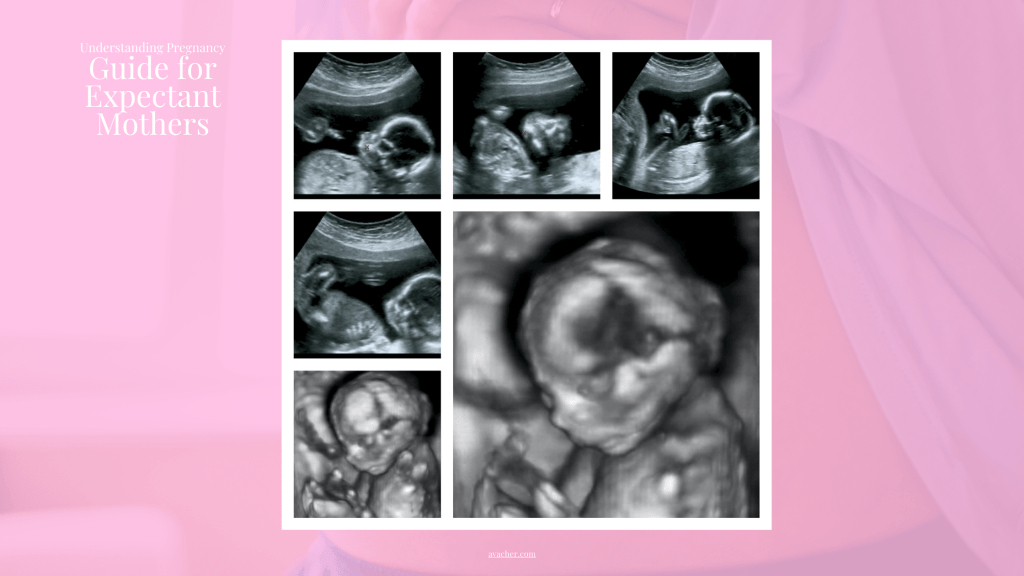
Your Body’s Changes: As your baby grows, you might experience more physical discomfort. Common third-trimester symptoms include shortness of breath, insomnia, and frequent urination. Your body is now preparing for labor, and you may start to experience Braxton Hicks contractions, also known as ‘practice contractions.’

Your Baby’s Development: In the third trimester, your baby is essentially preparing for life outside the womb. They’ll continue to gain weight, their brain will grow rapidly, and they will start to open and close their eyes.

Pregnancy is a unique journey that each mother experiences differently. While it can be challenging, the reward at the end of the journey is indescribable. Take care of yourself, stay informed, and enjoy this beautiful time. Remember, you’re not just ‘expecting’ – you’re already a mother.”

Pregnancy can be a whirlwind of emotions and changes. Remember, every mother’s experience is unique and it’s okay to have questions or concerns. Trust your body, stay informed, and seek support when you need it. You’re embarking on an incredible journey and we’re here to guide you every step of the way.

References & Further Reading: To ensure the information provided is accurate and reliable, consider referencing reputable sources such as the Philippine Commission on Women, the American Pregnancy Association, the Mayo Clinic, or The American College of Obstetricians and Gynecologists. These organizations provide comprehensive, research-backed information on all aspects of pregnancy. Additionally, personal anecdotes and experiences from mothers can be a valuable resource for expectant mothers.
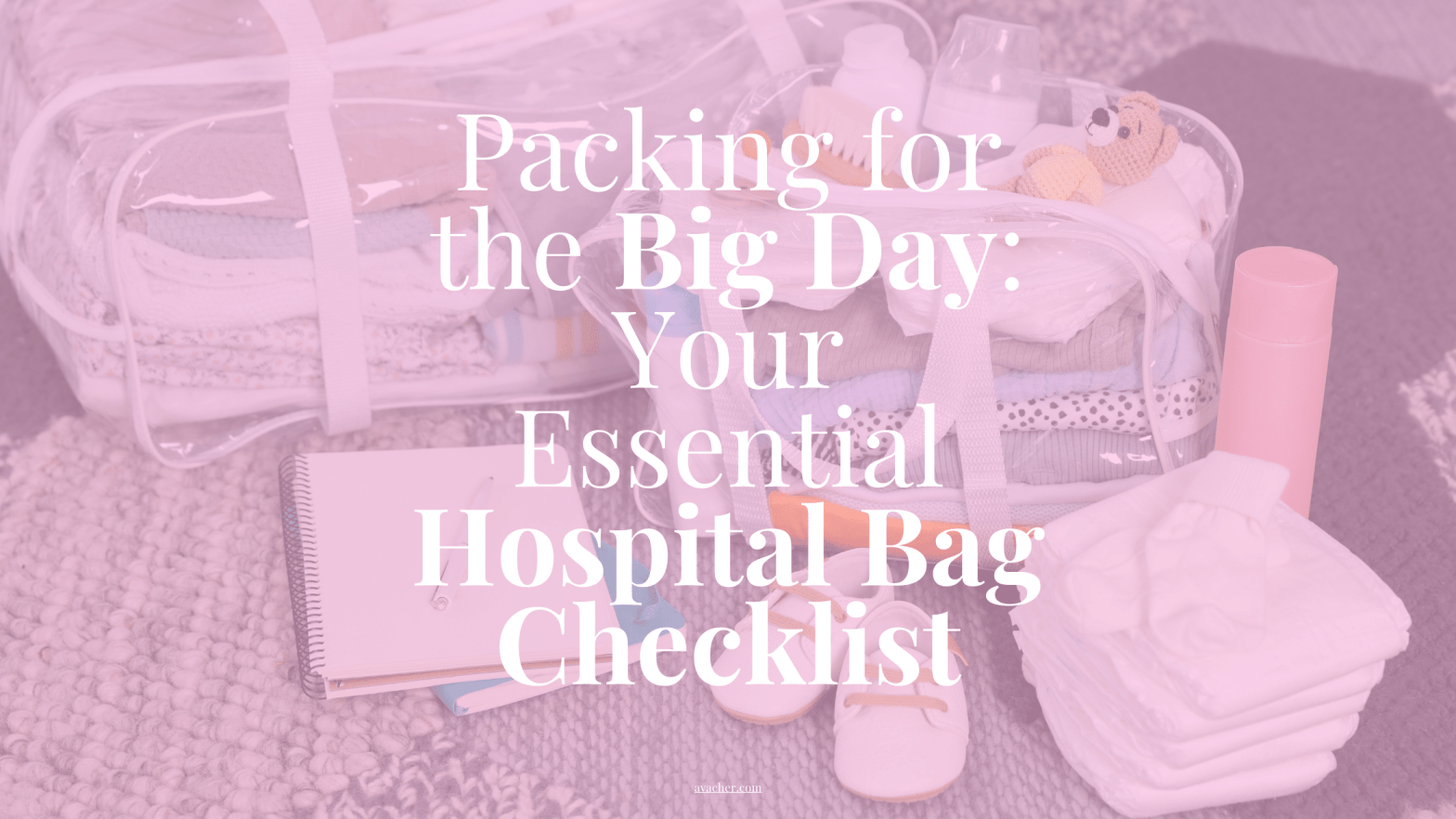
Packing for the Big Day: Your Essential Hospital Bag Checklist

Babies are notorious for not adhering to a strict schedule, especially when it comes to making their grand entrance. Thus, having your hospital bag ready is your secret weapon against the unpredictability of childbirth. Whether your little one decides to make an early appearance or takes their sweet time, you can rest assured that you’re ready for the big day!

First off, congratulations! If you’re reading this, it means that you’re expecting a new addition to your family, and that’s an incredibly exciting time. Amidst the anticipation and the emotional rollercoaster that is pregnancy, one of the most practical steps you can take is preparing your hospital bag.

The Hospital Bag: What’s the Big Deal?

Packing a hospital bag ensures you have everything you need for labor, birth, and your postpartum stay. Think of it as your personal survival kit. Having a prepared bag can reduce anxiety and make you feel more in control, knowing you’re ready for the big day.

Essentials for Mom

Documents

Pack all necessary identification and insurance paperwork. Include your birth plan and any hospital registration forms you’ve been given.

Clothing

Pack a couple of comfortable outfits for after the birth. You’ll also need a nursing-friendly nightgown or top, a robe, non-slip socks or slippers, and a going-home outfit.

Toiletries

Don’t forget items like a toothbrush, toothpaste, deodorant, face wipes, and lip balm. Mini or travel-sized items are perfect for saving space.

Snacks

Labor can be long and draining. Pack some of your favorite snacks to keep your energy levels up.

Entertainment

Bring a book, or a magazine, or load a few movies or TV shows onto your tablet. These can be especially useful if your labor is long or if you need some downtime post-delivery.

Essentials for Baby

Clothing

Pack a few onesies in varying sizes, as it’s hard to predict exactly how big (or small) your baby will be.

Diapers

The hospital will likely provide some, but it’s always safe to bring a few of your own.

Swaddles

Many hospitals provide these, but you might prefer your own. They are essential for keeping your newborn warm and snug.

Car Seat

While not technically in the bag, ensure you have a properly installed car seat for the trip home. It’s law in many places, and it’s the safest way for your newborn to travel.

Essentials for Partner

Snacks

Supporting someone through labor can be tiring work. Snacks can help maintain energy levels throughout the process.

Change of Clothes

A clean shirt and comfortable pants can make all the difference when spending a night or two in the hospital.

Entertainment

Books, a tablet, or a laptop can be a useful distraction during the waiting periods.

When to Pack Your Hospital Bag

Start getting your hospital bag ready by around the 36th week of pregnancy. Babies often have their own timelines and it’s best to be prepared for an early arrival.

While it may seem like a daunting task, packing your hospital bag doesn’t have to be. By breaking it down and starting early, you’ll have everything you need for the big day. Remember, this is an exciting time and the more prepared you are, the more you can focus on the joy of welcoming your little one into the world.

The Magical First Trimester: What to Expect

Congratulations, Mom-to-be! If you’re reading this, chances are you’ve recently discovered that there’s a little bun in your oven. Your body is about to embark on a magical, miraculous journey that will leave you in awe. But, it might also leave you with a slew of questions. Fear not, darling! Here at Avacher, we’ve got you covered.

The first trimester of pregnancy is a whirlwind of changes both for you and the tiny life developing inside you. From the moment of conception to the end of the 12th week, your baby will grow from a cluster of cells to a fully formed fetus, about the size of a peach!

During this time, you might experience a series of physical changes. These can range from the renowned (and occasionally dreaded) morning sickness to increased fatigue. Your breasts may become tender, and you might find yourself running to the bathroom more often than usual. These are all normal signs of your body preparing to nurture your growing baby.

Meanwhile, your baby is on a development fast track. By the 6th week, a tiny heartbeat can usually be detected. By the end of the first trimester, your baby will have formed vital organs, including the brain, heart, and lungs, and tiny arms and legs will begin to take shape.

While this journey can be filled with discomfort and uncertainties, remember that it’s all part of the incredible process of creating a new life. Be patient with yourself, listen to your body, and don’t hesitate to seek support when needed. After all, every superhero needs a sidekick, and we’re here to be yours on this journey.

Remember, this is just the beginning. Each trimester brings its own unique experiences and challenges. So, buckle up, and get ready for the ride of your life!